Bass Guitar Strings
16 productBass guitar strings are available in different gauges, winding types, and scale-length options for 4-string, 5-string, and 6-string bass guitars. Choosing the right bass guitar strings helps you get stronger low frequencies, a balanced tone, reliable tuning stability, and a more comfortable playing feel.
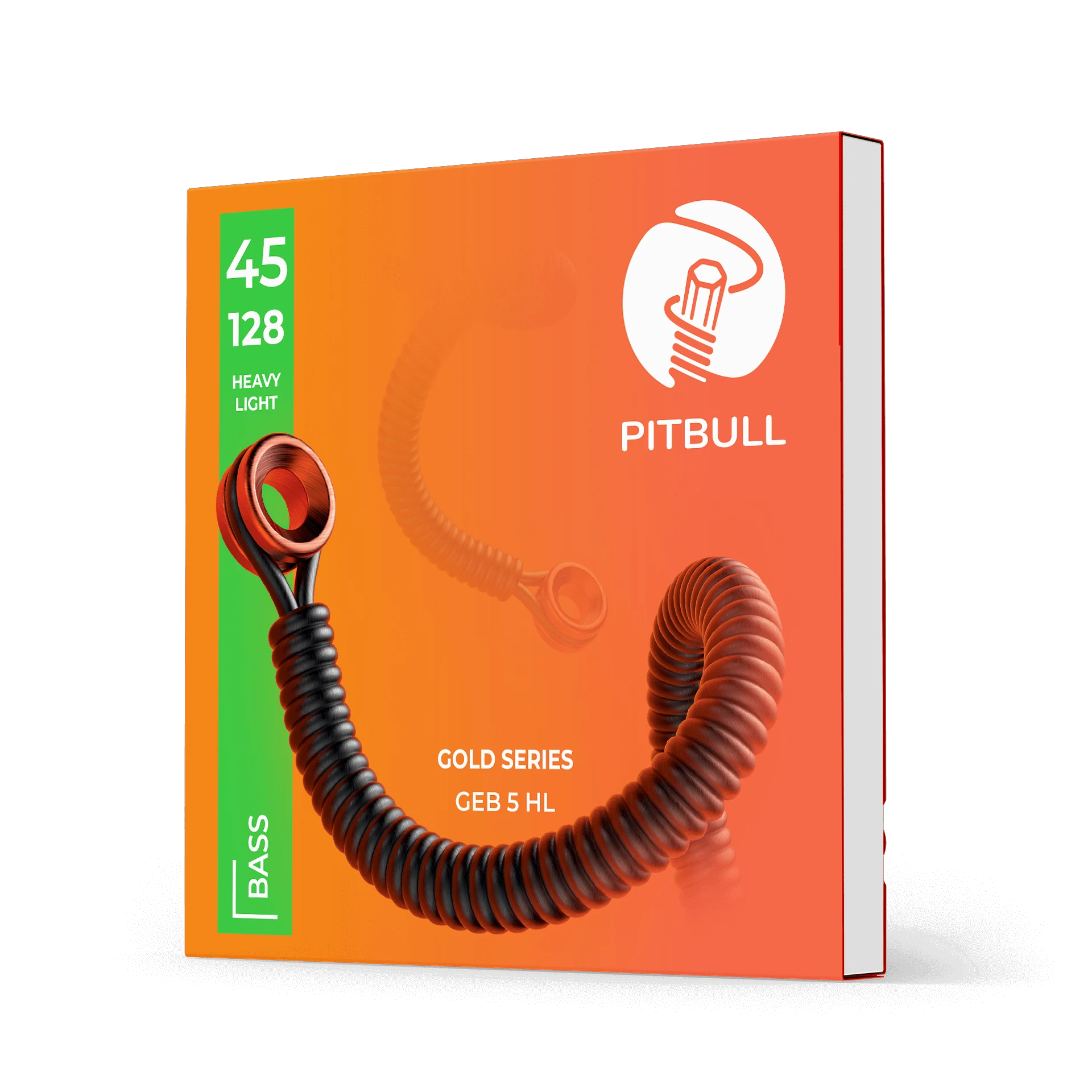
For standard and long scale bass guitars, Gold Series bass guitar strings offer a warm, balanced tone and a comfortable playing feel. For short scale bass guitars, 30 Series Short Scale bass guitar strings stand out with their suitable string length and balanced tension structure.
For players using extra long scale or multiscale bass guitars, Mutant Series bass guitar strings are a more suitable option. Bass players looking for a warmer, smoother, and more vintage-inspired tone can also choose Flat Series flatwound bass guitar strings.
When choosing bass guitar strings, it is important to consider the instrument’s scale length, number of strings, bridge design, and playing style. 30-inch bass guitars are usually classified as Short Scale, while 34-inch bass guitars are generally Long Scale. For 35-inch, Extra Long Scale, and multiscale bass guitars, the total string length and winding length should always be checked carefully.
Roundwound bass guitar strings deliver a brighter, livelier, and more dynamic sound. They are often preferred for rock, metal, funk, and modern music styles. Flatwound bass guitar strings offer a smoother surface, less finger noise, and a warmer vintage tone. They can be a better choice for jazz, blues, soul, and fretless bass players.
Lighter bass strings usually provide softer tension and an easier playing feel. Heavier strings can offer stronger low frequencies, higher tension, and a more controlled rhythm response. When selecting a string gauge, your tuning setup and personal playing preference should also be considered.
Bass guitar string prices may vary depending on the series, number of strings, gauge, scale-length compatibility, winding type, and set content. For bass players who perform on stage, record in the studio, or rehearse regularly, choosing the right series and gauge can provide better tone and long-term playing efficiency.
On a standard 4-string bass guitar, the strings are tuned from thickest to thinnest as E, A, D, and G. A 5-string bass adds a lower B string to this setup. A 6-string bass usually includes both a low B string and a high C string.
Frequently Asked Questions About Bass Guitar Strings
What should you consider when choosing bass guitar strings?
When choosing bass guitar strings, you should consider the number of strings, scale length, bridge design, string gauge, winding type, and playing style. It is especially important to choose the correct string length for Short Scale, Long Scale, Extra Long Scale, and multiscale bass guitars.
What is the difference between 4-string, 5-string, and 6-string bass sets?
A 4-string bass usually has E, A, D, and G strings. A 5-string bass adds a lower B string, giving the player a wider low-frequency range. A 6-string bass usually includes both a low B string and a high C string.
Which strings should be used for a Short Scale bass?
Short Scale bass guitars should be used with strings designed for a 30-inch scale length. Pitbull Strings 30 Series offers suitable string length and balanced tension for short scale bass guitars.
Which series is suitable for multiscale bass guitars?
Mutant Series bass guitar strings are suitable for multiscale, fan fret, and Extra Long Scale bass guitars. On these instruments, standard bass strings may not provide enough total length or winding length.
What is the difference between roundwound and flatwound bass strings?
Roundwound strings provide a brighter, livelier, and more dynamic tone. Flatwound strings have a smoother surface, less finger noise, and a warmer vintage character. The best choice depends on your playing style and the tone you want.
What is the difference between lighter and heavier bass strings?
Lighter bass strings usually offer softer tension and a more comfortable playing feel. Heavier strings can provide stronger low frequencies, higher tension, and a more controlled response.
When should bass guitar strings be changed?
Bass string life depends on playing frequency, sweat level, care habits, and the tone you prefer. If the sound becomes dull, brightness fades, tuning stability drops, or the strings start to darken, it may be time to change them.
How many strings does a bass guitar have?
Bass guitars most commonly have 4, 5, or 6 strings. A 4-string bass has E, A, D, and G strings. A 5-string bass adds a low B string, while a 6-string bass usually adds both a low B and a high C string.